
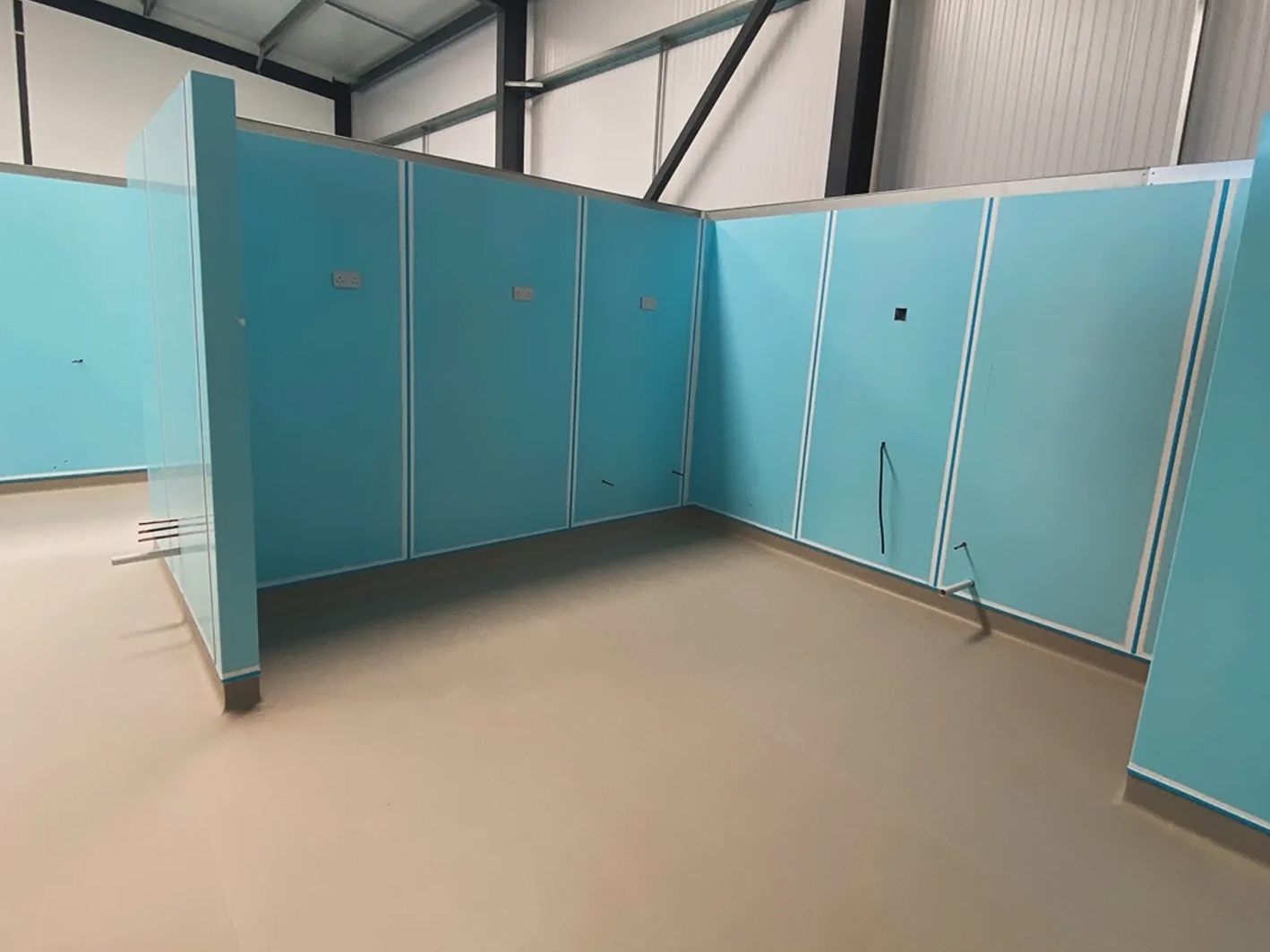
In commercial kitchens, the biggest focus is hygiene. If a kitchen wall finish can’t hold up against grease, steam, food splashes, and harsh cleaning chemicals, then it doesn’t belong in a working kitchen. Walls in a food facility get way more abuse than most people realize. Over time, this impact shows up in staining, discoloration, bacteria build-up, and ongoing maintenance problems.
Most kitchens in the U.K. still use ceramic tiles because it’s a traditional choice. It’s familiar and has been around forever. But more commercial operators today are switching to hygienic wall cladding—especially uPVC wall cladding—because it solves issues that tiles simply can’t solve long-term.
Let’s break down both options in a simple, honest way. If you’re planning a new kitchen build or a renovation, this will help you understand which solution is actually more practical.
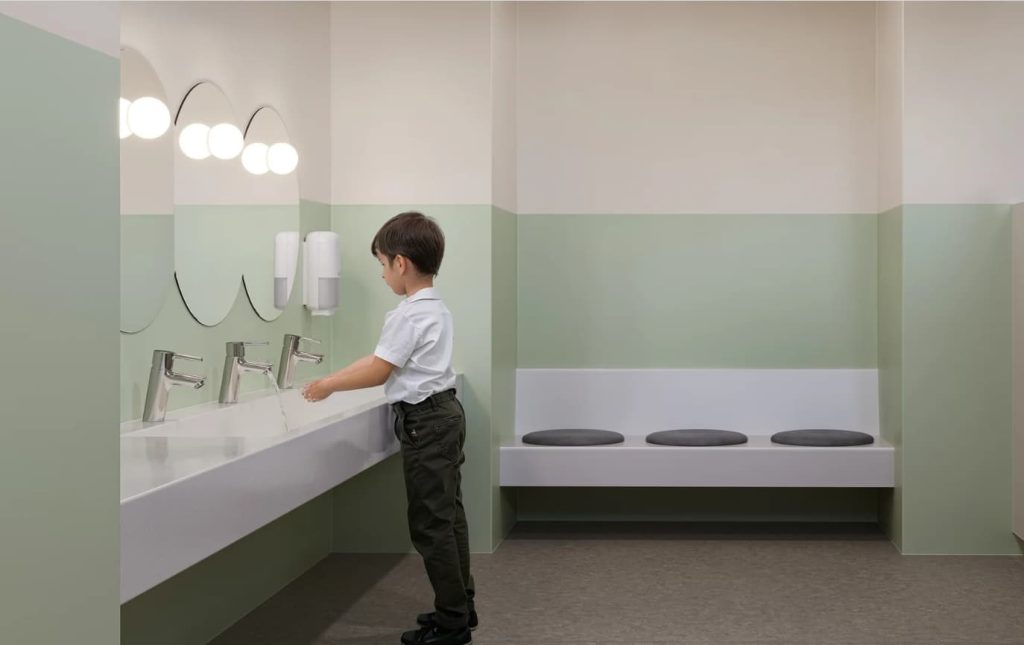
What Is Hygienic Wall Cladding?
Hygienic wall cladding is an interior wall cladding system using uPVC panels. These panels install over existing walls or over properly prepared surfaces and create a smooth, seamless finish. No grout. No joints. No gaps. Nothing for bacteria or grease to settle into.
This is why you see hygienic wall cladding in:
- commercial kitchens
- food processing plants
- prep rooms and food packaging rooms
- beverage production areas
- hospitals and healthcare food service
- clean rooms and pharmaceutical facilities
These environments take hygiene seriously. And they simply don’t want the problems that come with grout lines or porous surfaces.
uPVC wall cladding is non-porous, easy to wash down, and can handle strong cleaning products without breaking down.
Tiles in a Commercial Kitchen — Where They Fall Short
Tiles look familiar, and they do last a long time. They handle heat well. On day one, they look good. On day 200? Not so much.
The weak point isn’t the tile itself. The weak point is grout.
Grout is a sponge. It absorbs moisture. It holds grease. It stains. And once grout gets dirty deep inside, it’s almost impossible to clean it back to “like new.”
This is why restaurants with tiled walls constantly deal with:
- deep cleaning costs
- grout restoration
- discoloration
- trapped bacteria
- mold and mildew growth
Tiles require a lot of maintenance to stay clean and presentable. When a kitchen runs every day, tiles eventually show wear.
Hygienic Wall Cladding vs Tiles — Real World Comparison
| Category | Hygienic Wall Cladding (uPVC Panels) | Tiles |
| Grout/Joints | None |
Many grout lines
|
| Daily Cleaning | Quick wipe-down |
Hard scrubbing on grout
|
| Hygiene Level | Very high | Average |
| Maintenance | Very low | Very high |
| Moisture Resistance | Excellent |
Grout absorbs
|
| Installation Speed | Fast | Slow |
| Long-term Cost | Lower | Higher |
Why More U.K. Commercial Kitchens Are Switching to uPVC Wall Cladding
Here are the biggest reasons kitchen operators in the U.K prefer hygienic wall cladding over tile:
1) It’s Faster and Easier to Clean
Cladding creates a single smooth surface. Food splashes, grease, oils—everything wipes right off. No scrubbing grout lines.
2) It Helps with Food Safety Compliance
Health inspections are much easier to pass when surfaces are seamless. Standards for food service continue to get stricter. Cladding helps kitchens stay ahead.
3) Install Time Is Shorter
Wall cladding installation typically takes less time than tile work. Tiles need alignment and grouting and drying time. Cladding installs faster, so kitchens get back in operation sooner.
4) Better Long-Term Value
Tiles might appear cheaper at the start. But long-term, they don’t stay cheap. Re-grouting, deep cleaning, repairs—those costs add up. Cladding lasts longer and stays easier to clean.
5) It Just Performs Better in High-Moisture Spaces
Commercial kitchens constantly produce steam and humidity. uPVC doesn’t absorb water. Grout does. That’s the difference.
So Which One Is Better?
For commercial-grade kitchens, hygienic wall cladding simply makes more sense. Tiles are old-school. Cladding delivers better hygiene, less cleaning work, less maintenance, and longer-lasting performance.
Commercial kitchens need surfaces that support the job. uPVC hygienic wall cladding supports real daily use. It’s built for the heavy conditions that exist inside professional kitchens.
Professional Wall Cladding Installation Matters
Installing hygienic wall cladding is not just about attaching panels to a wall. If you need hygienic wall cladding installation for a commercial kitchen, our team handles the full process. For the best performance, the walls must be properly prepared, the right adhesive must be used, and every panel must be correctly sealed and finished. When installation is done right, the system will last for years.
If you need hygienic interior wall cladding supply and installation for a commercial kitchen, our team handles the full process. We prep the surfaces, install the system, and make sure the final finish supports hygiene, performance, and compliance.